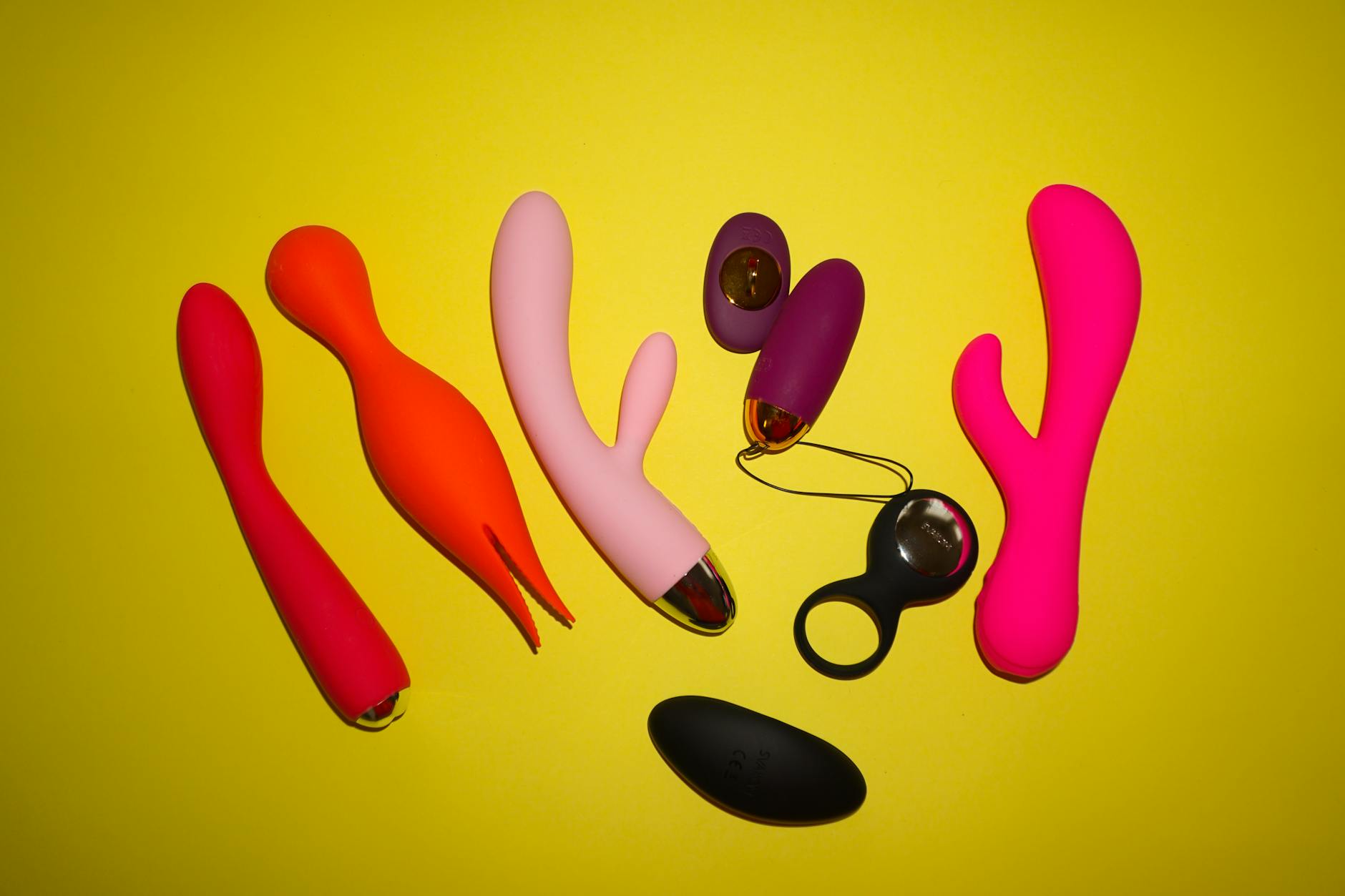
Here's the thing about orgasms after relationship shifts
Orgasm isn't just physical. It's deeply tied to safety, trust, rhythm, and knowing how your partner's body responds to yours. When that relationship changes, your orgasm access often shifts too. Not because something's broken. Because you're literally rewiring a two-person system.
This happens after new relationships, partner changes, renegotiated intimacy arrangements, or even after a long-term partner wants to try something different. Suddenly, the shortcut that worked for years doesn't work anymore. Your body doesn't know the new rhythm. And honestly, you don't know it yet either.
Why orgasm rhythm changes when partnership changes
You've spent months or years learning your partner's pace, pressure, timing, and what works. Your nervous system has literally learned to anticipate their moves. When that partnership changes, you lose that predictability.
This isn't about being less attracted or less capable. It's neurobiology. Your brain was running on habit. Now it has to pay attention again. That's exhausting. It also means arousal takes longer because you're not automatically in sync. You might need more time to relax. You might need different pressure or rhythm than before. The orgasm that used to take eight minutes might now take twenty.
For some people, orgasm disappears entirely for a while. For others, it becomes harder to reach without intense focus. Both are normal responses to relationship transition.
How lemon vibrators bridge the gap
Air-pulse vibrators like the lemon clitoral vibrator create sensation that's independent of partner rhythm. That's the point. Instead of waiting for your partner to match your speed, you're building your own pattern. Your body gets to lead.
This matters because it removes the pressure of synchronization. You're not trying to coordinate with someone else's movement. You're not waiting for them to find the right angle. You're just receiving consistent sensation at exactly the intensity you need, for exactly as long as you need it.
Lemon vibrators are particularly useful during relationship transitions because the air-pulse technology doesn't require you to already know what you want. You can explore. You can change patterns mid-way through. You can spend twenty minutes finding your new rhythm without performance pressure.
Starting over with your body's signal
When orgasm access shifts, it often helps to treat this like early exploration rather than troubleshooting a problem. You're not broken. You're learning a new language with your body.
Start with the lowest setting on your lemon vibrator. Honestly, most people skip over settings one and two because they assume they'll need intensity. But when you're relearning your rhythm, gentle pressure actually helps. It lets your nervous system settle into sensation without overwhelming it. Spend a few sessions just at level one or two. Notice what happens. Does your breathing change? Does your attention sharpen? Do you feel anything building?
Once you know what level one feels like, you can move to level two. You're not racing toward orgasm. You're mapping the terrain.
Rebuilding solo access helps partnered access
Here's what usually happens: you rediscover your orgasm pattern alone first, then you bring that back to partnered sex. You already know what you need, so you can actually communicate it. Your partner can see what works because you've shown them. You're not waiting for them to figure it out by luck.
This is where lemon clitoral vibrators do their best work. They let you build solo pleasure with real confidence. Once you know your new rhythm, you can guide a partner into it. Or you can incorporate the vibrator into partnered sex and control the rhythm yourself.
A lot of people feel weird about that. Like they should be able to orgasm from their partner alone. But honestly, that's not how bodies work, especially after relationship shifts. Using a lemon vibrator during partnered sex isn't a workaround. It's information. It's telling your partner exactly what your body needs.
The patience piece that actually matters
Relationship transitions test your patience. You want your body to cooperate the same way it used to. You want to feel that ease again. And you probably want it faster than your nervous system is ready to deliver.
Lemon vibrators help because they make patience feel productive. You're not lying there frustrated, wondering if something's wrong. You're actively exploring. You're feeling sensation. You're learning something new about yourself. Even if you don't orgasm in a session, you're still making progress.
Set a low bar for a few weeks. Progress isn't orgasm. Progress is knowing what level two feels like. Progress is feeling aroused for fifteen minutes instead of five. Progress is understanding that your new partner's rhythm is different, and that's not bad, it's just different.
When a lemon vibrator makes sense in partnered sex
Some people use lemon vibrators solo while rebuilding their rhythm, then stop using them with a partner. Some people integrate them permanently. Both are legitimate.
If you're with someone new, using a lemon vibrator during sex shows them exactly what you need. You're not asking them to guess. You're giving them a clear answer. Most partners find this helpful, not threatening. You're solving the problem together instead of leaving them to figure it out.
If you've been together longer but renegotiated intimacy, a lemon vibrator can be the bridge that gets you back to ease. You're not starting from zero. You're adding a tool that helps rebuild synchronization faster.
The nervous system piece no one talks about
When your orgasm access shifts, it's because your nervous system is in a slightly different state than it was before. New relationship means new safety signals. Different partner means different physical closeness. Your body is learning to relax with someone new, and that takes time.
Lemon vibrators actually help regulate your nervous system because the rhythm is consistent. It's predictable. Your body can relax into it instead of staying alert for the next move. That consistency actually trains your nervous system to shift into a calmer state, which makes real orgasm easier when it comes.
Consistency over intensity. That's the actual path back.
What to expect in the first few weeks
Week one: You might notice that the vibration feels too strong, too weak, or weirdly positioned. That's normal. You're learning what your body needs right now, which is different from what it needed last year.
Week two: Arousal probably takes longer than it used to. Maybe twice as long. You might notice you need more mental space. Fewer distractions. That's your nervous system doing its job.
Week three: You probably have a favorite setting now. You might notice you can build arousal a bit faster. Not back to baseline yet, but closer.
Week four and beyond: You're finding patterns. Your body is remembering how to relax into sensation. Orgasm might still feel less accessible than before, but you know the path now.
This timeline isn't universal. Some people find their rhythm in three weeks. Some take three months. Your history, your current relationship status, stress level, and a dozen other factors matter. The point is: you're on a timeline. You're not stuck.
When to get support beyond self-exploration
If it's been three months and orgasm feels completely inaccessible, or if partnered sex started hurting, or if your arousal disappeared entirely and isn't coming back, that's worth talking to a therapist or GP about. Not because something's wrong with you, but because sometimes relationship transitions uncover deeper stuff. Anxiety. Trust issues. Relationship compatibility problems. A professional can help you sort what's normal transition and what's something else.
Lemon vibrators are a great first tool. But they're not a replacement for talking to someone if you need to.
FAQ
How long does it usually take for orgasm access to return after a relationship change?
Three to twelve weeks is typical, though some people find their rhythm faster. What matters is that you're exploring consistently, not that you're on any specific timeline. Your nervous system needs time to build new safety patterns with a new partner or new arrangement.
Can I use a lemon vibrator if I'm still with my partner but renegotiating our intimacy?
Absolutely. In fact, that's a really smart move. Using a lemon clitoral vibrator during partnered sex shows your partner exactly what you need. It makes the renegotiation collaborative instead of frustrating.
What if I orgasm with a lemon vibrator but not with my partner?
That's extremely common when you're learning a new rhythm. It doesn't mean partnered orgasm won't come back. It means you're in the learning phase. Solo pleasure with your vibrator is teaching your body what it needs. Your partner will benefit from that information once you share it.
Does using a lemon vibrator mean my partner isn't doing their job?
No. It means your body needs consistency and predictability while it's adjusting to a new relationship dynamic. That's not a failure on either of your parts. It's a practical tool that helps you both get what you want faster.
Is it normal to need more time and gentler pressure than before?
Yes. Relationship transitions often require longer warm-up and lower intensity initially. Your nervous system is literally in a different place. As you build trust and familiarity, your body usually speeds back up.
What if my new partner is uncomfortable with me using a lemon vibrator?
That's worth discussing. A partner who feels threatened by a tool that helps you access your own pleasure is showing you something important about how they think about intimacy. The vibrator isn't the issue. Their comfort with your autonomy is.
You're not starting from scratch
Here's what I want you to know: you have an orgasm history. Your body knows how to do this. Relationship transitions just means you're learning a new rhythm, not that you've lost the capacity. Lemon vibrators, with their consistent air-pulse technology, make that learning faster and less frustrating.
Your orgasm access will return. It just won't return on the timeline you expected. And that's actually okay. Because what comes back is often better informed, more intentional, and more clearly rooted in what you actually need, not just what used to work by accident.
Start low. Go slow. Be patient with your nervous system. The rhythm will come back. Just not in the same form it took before. And that's not a loss. That's just evolution.