
The moment when pleasure wakes up again
Depression is a pleasure killer. It doesn't just lower desire. It erases it. The things that used to light you up. The sensations you craved. The whole landscape of touch. Gone.
When depression lifts, most people expect to feel immediately better about everything. Except that's not always how the body works. Pleasure doesn't flip back on like a light switch. It seeps back in. Slowly. Unevenly. And sometimes it feels totally foreign.
This matters because the gap between "depression is lifting" and "I can actually feel pleasure again" is real. Your nervous system has been in survival mode. Your pelvic floor has been tight. Your skin has been numb. Jumping back into old patterns of stimulation can feel jarring, overwhelming, or worse. You might realize you need something gentler, more intentional, or totally different than what you had before.
That's where lemon vibrators come in. Here's how to rebuild pleasure after depression in a way that honors where your body actually is.
Why sensation feels muted when depression is lifting
Depression doesn't just affect your mood. It flattens sensation. Antidepressants can do this too, depending on which class you're taking. Your nervous system has been in a dampened state. Touch registers as less intense. Temperature shifts feel dull. Pleasure signals travel more slowly through your brain.
When depression lifts, that dampening doesn't lift all at once. Some people describe it as coming out of an anesthetic. Everything is still a bit fuzzy. Your skin might feel less responsive. Arousal takes longer to build. The clitoris can feel numb or hypersensitive at random moments.
Honestly, this is a sign your nervous system is recalibrating. It's not broken. It's healing.
The neurological piece (why lemon vibrators work here)
Clitoral suction toys like the Lem work by creating a gentle pulse of negative pressure around the clitoris rather than direct friction. This matters enormously when sensation is returning.
Why. Your clitoris has 8,000 nerve endings, but depression and trauma can cause a kind of sensory gatekeeping. Your nervous system keeps sensation at arm's length to protect you. Suction stimulation bypasses some of that gatekeeping because it's activating the nerves in a fundamentally different way than vibration alone.
It's also more forgiving. If your clitoris is hypersensitive one day and numb the next, you can adjust the suction level on a lemon vibrator from the gentlest setting to more intense without changing the entire toy. That flexibility matters when you're not sure what your body needs minute to minute.
Pacing pleasure back into your body
Here's the thing about returning pleasure after depression: slow is not boring. Slow is the actual instruction your nervous system needs.
Start with your lemon vibrator on the lowest setting. Not because you're broken. Because your nervous system is learning to receive pleasure again, and it needs time. Most of my clients who've come through depression take 15 to 25 minutes to build arousal. That's normal. That's healthy. That's you healing.
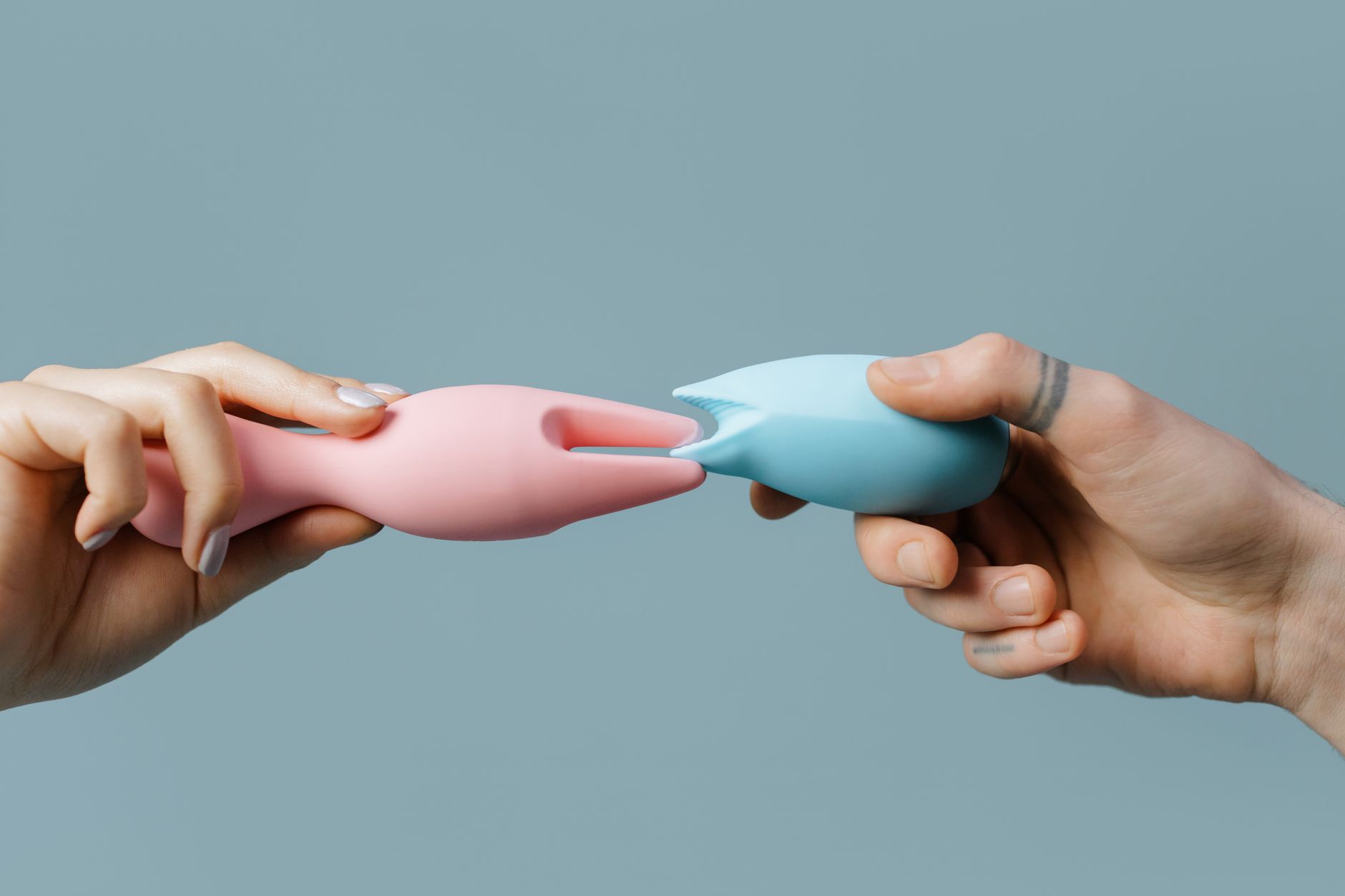
Photo by cottonbro studio on Pexels
Make time. Not stolen minutes between other things. Actual, protected time where you're not listening for interruptions or managing anyone else's needs. Depression tells you that you don't deserve that time. It's lying. Pleasure is a biological need, full stop.
The emotional weight of reconnecting
This piece doesn't get talked about enough: rebuilding pleasure after depression is not just physical. It's emotional.
You might feel grieving while touching yourself. That makes sense. You lost time. The version of you that used to enjoy pleasure easily is someone you have to relearn. Some people feel shame. Some people feel angry that their body doesn't work the way it used to. Some people feel nothing at all, which is its own kind of hard.
All of this is normal. And here's the thing: you don't have to feel amazing about your body to use a lemon vibrator. You just have to give it permission to slowly remember.
Building back into intensity (the long game)
When sensation is returning, there's a temptation to push yourself back into what used to work. Harder stimulation. Longer sessions. Chasing the orgasm you remember from before depression.
Don't. That's how you reinforce numbness.
Instead, spend 2 to 4 weeks at the lowest settings on your lemon vibrator. Focus on sensation, not outcome. Can you feel the suction? Can you notice where your attention goes? Can you recognize the first tiny signals of pleasure building?
Once those signals are consistent and clear, you can slowly increase the setting. Maybe go from level 1 to level 2. Notice what changes. Stay there until it feels easy. Then move up again.
This isn't slow because you're damaged. It's slow because building a resilient nervous system takes time.
What to actually do: a five-step rebuild
Week 1. Use your lemon vibrator on setting 1 for 10 minutes, three times. Focus on noticing sensation, not chasing an outcome. You're teaching your nervous system that pleasure is safe.
Week 2. Same routine, but stay with it for 15 minutes. Start to notice when arousal begins. What does it feel like in your body. Where do you feel the first shift.
Week 3. Increase to setting 2 if week 2 felt easy. If it felt overwhelming, stay with setting 1. There's no timeline.
Week 4. Add intention. Instead of just touching, think about something you find erotic. A memory. A fantasy. Someone. Let your mind and body work together.
Week 5 onward. You'll know. Your body will tell you when it's ready for more intensity. Trust it.
The role of lubrication (even though you're coming back to pleasure)
Even if you're producing lubrication normally again, use it anyway. Water-based lube is not a sign you're broken. It's a gift to your nervous system.
Lube helps your clitoris slide smoothly under the suction cup. It reduces any friction. It tells your nervous system that this is safe, pleasurable stimulation. And honestly, the ritual of applying it is its own kind of pleasure signal. You're preparing. You're honoring your body. That matters more than you think.
When to reconnect with a partner (or not)
If you have a partner, this rebuilding phase doesn't have to include them immediately. I know that sounds counterintuitive. But reconnecting with pleasure solo first gives you a baseline. You know what your body needs. You know how long arousal takes. You know your settings and your pace.
When you do bring your partner in, you're bringing clarity, not confusion. "I need 20 minutes and I want to start on the lowest setting" is very different from "I don't know what's wrong with me."
If you're single, this is your time. Use it. You don't owe anyone access to your body while you're rebuilding.
When depression's cousin shows up (anhedonia, the flatness that lingers)
Sometimes pleasure doesn't come back on its own timeline. Sometimes depression lifts and anhedonia (the inability to feel pleasure at all) sticks around. This is real, it's a symptom, and it deserves clinical attention.
If you're using a lemon vibrator regularly and sensation genuinely isn't returning after six to eight weeks, talk to your prescriber or therapist. You might need a medication adjustment. You might need a different kind of support. That's not failure. That's information. Use it.
The long view: pleasure after depression gets better
I've worked with dozens of people rebuilding pleasure after depression. What they tell me, once they've done the slow work, is that pleasure comes back different. Often richer. More intentional. They stop taking sensation for granted.
Your lemon vibrator is a tool for that return. Not a fix. A tool. You're the one doing the actual work. Your nervous system is the one healing. Your body is the one remembering that pleasure is possible.
That's powerful.
FAQ: Rebuilding pleasure after depression
How long does it actually take for pleasure to fully return after depression lifts?
There's no universal timeline. For some people, basic sensation returns in three to four weeks. For others, it takes months. The key is that you're looking for steady improvement, not perfection. You'll notice small shifts. Arousal takes less time. Settings that felt overwhelming become comfortable. That's progress. Keep going.
Is it normal to feel emotional (sad, angry, or disconnected) while using a lemon vibrator after depression?
Completely normal. Your body has been through something. Touch can bring up grief, loss, anger at time lost, or even numbness. These feelings often mean your nervous system is starting to process what happened. Let them be there. Don't try to feel good about pleasure while you're healing. Just keep showing up.
Can my partner help me rebuild pleasure with a lemon vibrator after depression?
Yes, but solo exploration first is usually better. Your partner can hold space, be present, and support you. But they can't feel what you're feeling or know what your nervous system needs. Do that work alone first, then invite them in once you understand your own pace and preferences.
What if I'm on antidepressants and they're still numbing sensation even though my mood is better?
Talk to your prescriber. Some SSRIs and SNRIs can blunt sensation even as mood improves. There are options: adjusting the dose, switching medications, adding another medication to counteract sexual side effects, or timing doses differently. You deserve both mental health support and pleasure. These things aren't mutually exclusive.
Should I expect my orgasms to feel the same as they did before depression?
No, and that's actually okay. Your nervous system has been through something. Your body has changed. Your orgasms might feel different in intensity, duration, or quality. That doesn't mean they're worse. Often they're just different. Give yourself permission to experience pleasure on new terms.
Is using a lemon vibrator enough, or do I need therapy too?
A lemon vibrator is part of the picture, not the whole picture. If depression has lifted, you're on the right medication or doing the right work. But rebuilding pleasure and connection with your body often benefits from a therapist who specializes in sexual health or trauma. They can help you process the emotional piece while you're doing the physical work.
Moving forward
Depression steals pleasure. But pleasure can come back. It takes time. It takes gentleness. It takes a willingness to slow down and listen to what your body actually needs, not what you think it should need.
Your lemon vibrator is a companion in that process. Use it slowly. Use it often. Use it because you deserve to feel good again.
If you want to talk about what rebuilding looks like for you specifically, reach out. That's what I'm here for.