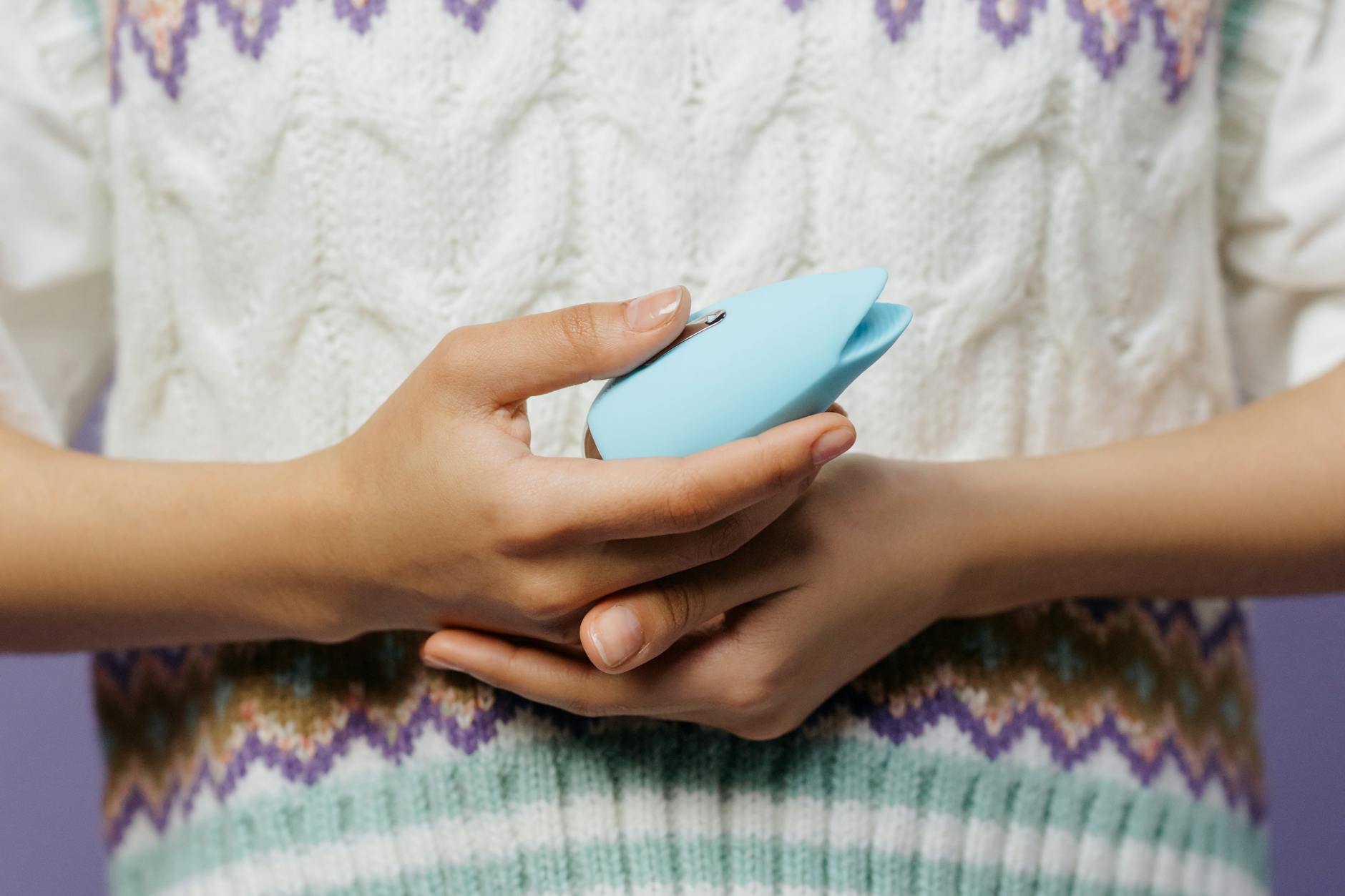
How to Use Lemon Vibrators When Recovery From Surgery Limits Internal Penetration
Let's be real: surgery changes the timeline for sex. Whether it's a hysterectomy, fibroid removal, endometriosis treatment, or any procedure affecting the vulva, vagina, or pelvic floor, your doctor's probably told you to wait weeks or months before resuming partnered sex or penetration. That's solid medical advice. What's less clear is what you can actually do in the meantime without compromising healing.
Here's the thing nobody talks about clearly: you don't have to wait months to experience pleasure. Clitoral stimulation, especially with an air-pulse device like a lemon vibrator, sits completely outside the healing zone for most post-surgical scenarios. Understanding the difference between external clitoral play and internal contact can give you permission to reconnect with your body while respecting your recovery.
I've worked with dozens of people navigating this exact tension. The ones who do best aren't the ones white-knuckling through abstinence. They're the ones who understand what their specific surgery means for different kinds of touch, and who use that knowledge to stay connected to pleasure in ways that support healing rather than fight it.
Why the clitoris is your low-risk pleasure zone post-surgery
Most pelvic surgeries restrict penetration and internal pressure while the surgical site heals. But here's what surgeons often don't spell out: the clitoris is externally located and has its own nerve network completely separate from the healing wound. Unless your surgery was directly on the clitoris itself (very rare), external clitoral stimulation poses zero risk to your incision or internal healing.
Air-pulse lemon vibrators are even safer than traditional vibrators during recovery because they don't rely on direct friction or pressure. Instead, they use gentle suction to stimulate the clitoral tissue without the same kind of mechanical stress that could irritate sensitive skin or create swelling. If you've been cleared for very basic external touch by your surgeon (and most people are, within the first two weeks), an air-pulse device offers a controlled, gentle way to experience stimulation.
The key distinction: external clitoral play, when done gently, supports recovery rather than interfering with it. Pleasure increases blood flow to the area in healthy ways. It reduces tension in the pelvic floor, which actually speeds healing. And psychologically, it reminds you that your body is still capable of sensation and joy, not just pain.
Check your clearance first, then start intentionally low
Before using any vibrator post-surgery, confirm with your surgeon exactly what's off-limits. Most give you a tier system: nothing at all for the first 1-2 weeks, external touch only for weeks 2-4, partnered penetration cleared around week 6-8. Some surgeries compress that timeline; others extend it. You need your specific answer.
Assuming you've got the green light for external touch, the setup matters. Start with the lowest intensity setting. If your lemon vibrator has pattern options, begin with the gentlest, slowest one. You're not chasing orgasm here. You're testing sensation, reminding yourself that pleasure exists, and building a positive relationship with your healing body.
Many people find that post-surgery sensitivity is different than before. Some experience hypersensitivity where the clitoris feels almost raw or too intense. Others experience numbness or delayed response due to swelling or local anesthesia effects. Both are temporary. Your nervous system is recalibrating. Gentle air-pulse stimulation helps that recalibration happen naturally, without forcing it.
Start with 5-10 minutes, once or twice a week. This isn't about productivity. It's about consistency and gentle reconnection.
Timing and positioning matter more than you'd think
The best time to explore post-surgical pleasure is when you're already relaxed and pain-free, ideally in the evening after you've taken any prescribed pain medication (check with your doctor about timing). Pain is a signal to stop, full stop. If you feel pulling, stretching, or sharpness anywhere in the surgical zone, pause immediately.
Position yourself in whatever way feels supportive. Most people find that lying on their back with one or two pillows under the knees feels best, because it reduces tension in the entire pelvic floor. Some prefer sitting slightly reclined. Avoid positions that put weight or pressure on the surgical site. If you're unsure what's safe, ask your surgeon's office before your next recovery check-in. They won't be shocked by the question.
Keep a water bottle or glass of water nearby. Pleasure increases heart rate, and hydration supports healing generally. Some people also find it helpful to have a soft blanket close by. Recovery can make you feel vulnerable. Creating comfort around the experience makes it easier to stay present.
The psychological piece is as important as the physical one
Post-surgical recovery can feel like a weird identity limbo. Your body is hurt and healing, but it's not sick. You're capable of pleasure, but not all pleasure. Partners (if you have them) often don't know what to do or say. You might feel disconnected from your own sexuality because the usual routes feel blocked.
This is where using a lemon vibrator becomes more than just physical. It's a way of saying to yourself: my sexuality isn't paused, it's redirected. My pleasure matters even while I heal. I'm still a person with desires, even in this smaller window.
If you have a partner, this is worth naming out loud. "I'm not cleared for penetration yet, but I want to keep some pleasure in my life during recovery. I'm going to use a vibrator sometimes, and it helps me feel more like myself." Most partners get it immediately. Some couples even make it a shared experience: you use your lemon vibrator while your partner provides emotional presence or light touch on areas that don't involve the surgical site.
The person who recovered fastest, emotionally and physically, was someone who told me she used her clitoral vibrator three times a week during the six-week post-op window. She said it transformed her mindset from "my body is broken" to "my body is healing and still capable of joy." That psychological shift actually did help her physical recovery. Stress hormones drop when you're in pleasure. Healing speeds up.
Partner involvement, if you want it
If you have a partner, post-surgical recovery is a chance to explore forms of intimacy that aren't dependent on penetration. While you're using your lemon vibrator, your partner could be present in the room, touching you gently on your arms or chest, talking to you, or simply being nearby. Some couples find that non-penetrative partnered sex becomes closer and more intentional during recovery than it ever was before.
Other people prefer solo pleasure during recovery. Both are valid. The key is being clear about what you actually want, not what you think you should want or what your partner expects. Recovery is a moment where you get to define pleasure on your own terms.
If you do involve your partner, set boundaries about the surgical site explicitly. "I don't want touch or pressure here, but I love touch on my arms and shoulders" is a specific, actionable boundary that creates safety for both of you.
How lemon clitoral vibrators specifically help recovery
Air-pulse lemon vibrators like the Lem are particularly well-suited for post-surgery recovery for three concrete reasons. First, they deliver stimulation through suction rather than vibration, which means zero sharp mechanical stress. Second, they're small and easy to control, so you can pause instantly if you feel any pulling or discomfort. Third, they're designed for external play only, which means you're not even tempted to push past your medical restrictions.
The sensation of air-pulse suction is different from traditional vibration. Some describe it as waves rather than buzzing. For post-surgical bodies, especially those with temporary hypersensitivity, that gentler wave of sensation often feels more comfortable than direct vibration.
Start on the lowest pattern and intensity. Spend time exploring what actual pleasure feels like again. You're not training your body to respond faster or harder. You're relearning what feels good in a smaller, safer container.
The recovery timeline from a pleasure perspective
Weeks 1-2: Most surgeons say no internal anything. Many say no external sexual activity either. This is about letting acute swelling and pain begin to resolve. If your surgeon gave you the green light for gentle external touch, you could cautiously explore, but honestly, you might be too sore. Listen to your body.
Weeks 2-4: External clitoral touch is usually cleared. This is when a lemon vibrator becomes useful. Your body's starting to feel more like itself. Swelling's down. You can experience pleasure without guilt. Go slow, pay attention to what feels good versus what creates pulling or numbness.
Weeks 4-8: Some surgeons start clearing partnered penetration around week 4-6. Others say week 8. You'll know based on your specific recovery conversation. Until you're fully cleared, lemon vibrators and external play remain your main intimate activity. This is normal and healthy.
After clearance for penetration: Even once you're cleared, some people find that returning to penetrative sex takes emotional adjustment. You might feel anxious, protective of your healing body, or disconnected. Continuing to use clitoral vibrators alongside partnered sex is absolutely fine and often helps the transition feel smoother.
When to loop in your surgeon
If you experience unexpected pain, swelling, or discharge when using your lemon vibrator, tell your surgeon. It's not a judgment. It's information they need to make sure your healing is on track. Pain doesn't always mean you did damage, but it means something needs adjusting. Sometimes it's just that you need to wait another week. Sometimes you need a different approach.
If you're cleared for external play but every time you try to use a vibrator you feel pulling in the surgical site, mention it. Your surgeon might recommend a different position or waiting a bit longer. Your body's feedback matters more than the standard timeline.
Permission to take pleasure where you can
Recovery demands a lot of patience. Your body heals on its schedule, not yours. What you can control is whether you frame that healing time as a complete absence of pleasure or as a redirect. A lemon clitoral vibrator gives you a way to stay connected to your sexuality, your partner (if applicable), and your own joy while you heal completely.
Your pleasure matters. Not eventually, when you're fully recovered. Now, in the middle of it. The fact that your recovery requires temporary restrictions on certain kinds of touch doesn't mean all touch is off-limits. It means you get to be creative and intentional about the kinds of pleasure that actually support your healing.
Take your time. Be gentle with yourself. And know that using a lemon vibrator during recovery isn't rushing anything. It's honoring the person you are right now.
FAQ
When can I use a vibrator after surgery?
Timing depends entirely on your specific procedure. Most surgeons clear external clitoral touch 2-4 weeks post-op, while internal penetration waits 6-8 weeks. Ask your surgeon directly what's safe for you before using any vibrator. If they say you're cleared for external touch but not penetration, a lemon vibrator designed for clitoral stimulation only is ideal.
Can air-pulse vibrators cause bleeding or damage during recovery?
No, when used on external clitoral tissue and cleared by your surgeon. Air-pulse lemon vibrators don't create the friction or direct pressure that traditional vibrators do, which is one reason they're safer post-surgery. If you do experience unexpected bleeding or discharge, stop and contact your surgeon.
Is it normal to feel numb or hypersensitive on the clitoris after surgery?
Completely normal. Swelling, local anesthesia effects, and nerve irritation can all cause temporary numbness or hypersensitivity. Gentle air-pulse stimulation helps your nervous system recalibrate naturally. Both sensations typically resolve within a few weeks. Start with the lowest intensity and go slow.
Can using a lemon vibrator post-surgery affect my healing or scar?
Not if you're using it externally on the clitoris and you've been cleared by your surgeon. External clitoral stimulation actually supports healing by increasing healthy blood flow and reducing pelvic floor tension. It doesn't put pressure on the surgical site and doesn't interfere with scar tissue formation.
What if my partner wants to be involved but I'm not sure what's safe?
Start with a clear conversation. Tell your partner exactly what your surgeon said is and isn't okay. Many couples find that using a lemon vibrator together, with light touch on non-surgical areas, feels intimate and supports connection during recovery. Others prefer solo exploration. Both are valid. The key is being honest about what you actually want.
How do I know if I'm pushing too hard during recovery?
Pain is your signal. Not mild discomfort or unusual sensation, but actual pain or pulling in or near the surgical site. If you feel sharp pain, pulling, increased swelling, or discharge, stop immediately and contact your surgeon. Pleasure should never create pain during recovery.
Can I use my lemon vibrator the day I'm cleared for penetration?
Technically, yes, but a lot of people find that's not what they want psychologically. Returning to penetration can feel anxious or protective even after medical clearance. Many people continue using their clitoral vibrator alongside penetrative sex for weeks or months after recovery clearance. There's no timeline for when you "should" feel ready. Trust your own comfort.
What comes next
Recovery is temporary. Your pleasure is not. The patience you're building right now, the intentionality about what actually feels good, the way you're learning to be gentle with your own body, these things stay with you after the surgical site is fully healed. Using a lemon vibrator during recovery isn't just about getting through those weeks. It's about staying in relationship with your own sexuality while your body does one of the hardest things it can do: heal itself.
If you have questions about what's safe for your specific recovery, reach out to your surgical team. And if you're looking for a thoughtful starting point for post-surgical pleasure, we're here to help. Visit our buying guide for more on choosing the right clitoral vibrator for your body's needs.