Let's start with what sexual anxiety actually does
Sexual anxiety isn't a character flaw. It's your nervous system in overdrive, and it hijacks arousal before anything else can happen. When you're anxious, blood flows away from your genitals and toward your limbs. Your brain fixates on performance instead of sensation. The more you worry about whether it's working, the less likely it is to work. It's a feedback loop, and it's wildly common.
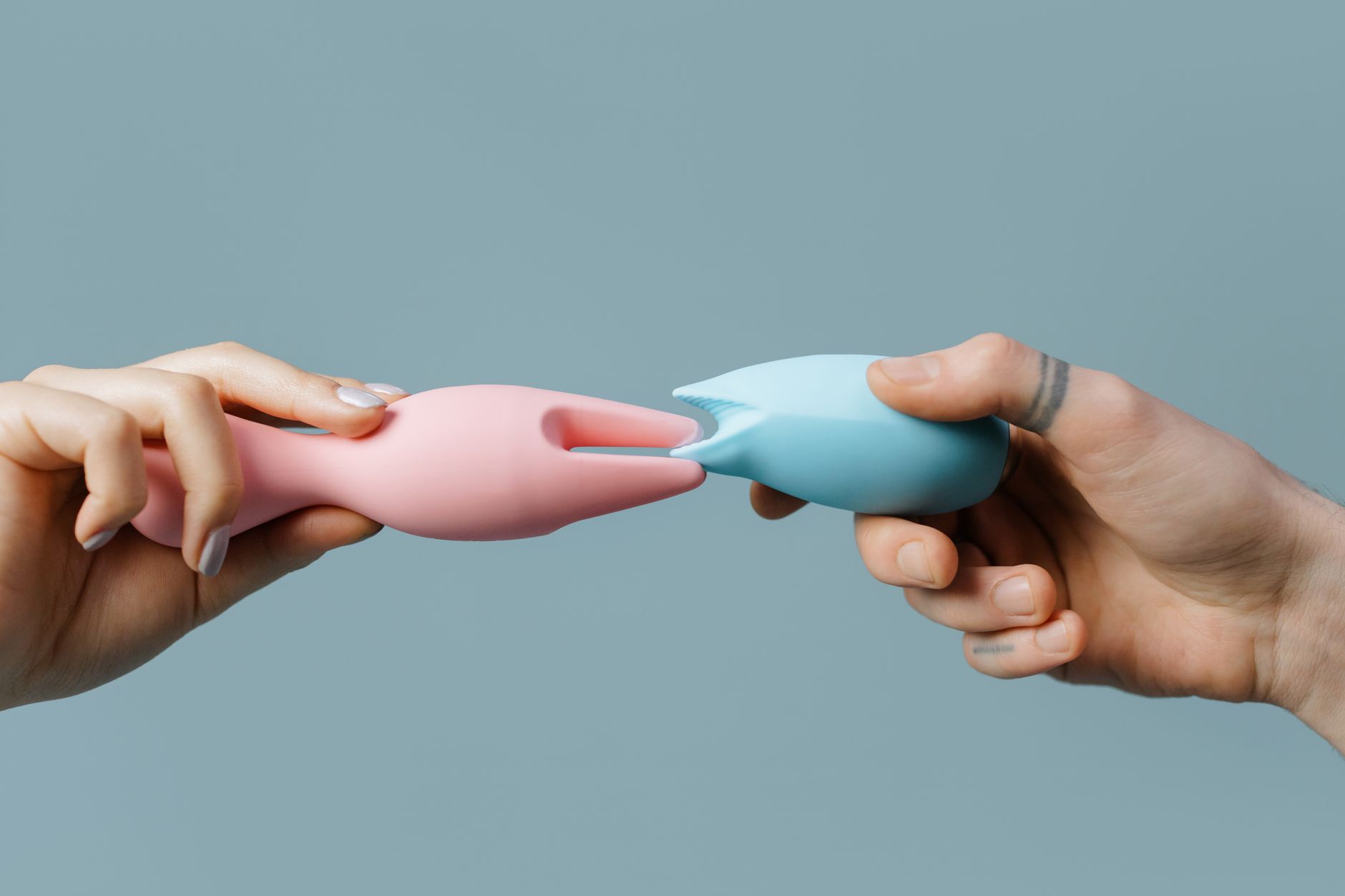
The good news: you don't need therapy to break it (though therapy helps). You need a way to rebuild safety in your own body. That's where lemon vibrators come in. Clitoral vibrators like the Lem work differently than traditional toys because they use suction and gentle pulsing instead of aggressive vibration. This approach bypasses the performance anxiety entirely and teaches your nervous system that pleasure is possible.
Why anxiety kills arousal in the first place
Your nervous system has two speeds: sympathetic (fight-or-flight) and parasympathetic (rest-and-digest). Arousal happens in parasympathetic mode. Anxiety keeps you stuck in sympathetic. You're literally physically unable to get aroused while your body thinks it's under threat.
This happens for real reasons. Maybe you've had painful sex. Maybe a partner made you feel rushed or judged. Maybe you internalized messages that pleasure is risky or shameful. Maybe you've experienced sexual trauma, small or large. Your body remembers, and it protects you by staying tense.
The trap is thinking you have to solve the original problem before you can feel good again. You don't. You can rebuild arousal capacity in a completely separate space, with zero stakes, using a tool designed for your anatomy.
How lemon clitoral vibrators sidestep anxiety
Three reasons lemon vibrators are different for anxious bodies:
They don't require you to "perform" arousal. With a partner, there's an invisible clock. You worry you're taking too long. A lemon sucker removes that. You can spend 30 minutes at pattern one and nothing happens, and that's fine. You're collecting data, not producing results.
The sensation is gentle but concentrated. Air-suction vibrators stimulate the entire clitoral network without the intensity that can feel overwhelming when your nervous system is already primed. You control the intensity completely. Start low. That's it.
You can stop anytime without explanation. Solo exploration means zero negotiation. If you get in your head, you pause. If your body wants to try again in two minutes, it does. No judgment, no conversation, no performance.
The four-step rebuild protocol
Here's how I guide clients through this:
Step one: Establish a non-sexual touch baseline. Before you ever touch your genitals, spend two weeks just touching your body anywhere else. Your shoulders, your arms, your thighs. You're teaching your nervous system that touch equals safety, not performance. Five minutes a day. That's it.
Step two: Introduce genital touch without expectation of arousal. Once non-sexual touch feels normal, touch your vulva the way you'd touch your shoulder. Not to get turned on. Just to get reacquainted. This is a fact-finding mission, not a pleasure mission. What does your skin feel like? Is it warm? Is sensation present? Just notice.
Step three: Bring in a lemon vibrator at the lowest setting. The first time you use a clitoral vibrator after anxiety, don't expect an orgasm. Just get used to the sensation. Some people feel nothing the first time. That's normal. Your nervous system is still learning that this is safe. Spend five to ten minutes. That's the whole goal.
Step four: Let arousal build over weeks, not nights. This isn't a one-session fix. You're rewiring your nervous system. That takes time. Most people need three to six weeks of consistent, pressure-free exploration before arousal starts flowing reliably. Some need longer. Both are fine. The timeline doesn't matter. The consistency does.
What you'll actually feel (and what you won't)
During this process, don't expect instant fireworks. Expect curiosity. Expect boredom sometimes. Expect your mind to wander. Expect some sessions where your body feels like your body again, and other sessions where you feel nothing.
That's all correct. You're not broken if you don't come. You're rebuilding trust. The orgasm will come later, usually surprising you with how easy it feels once your nervous system knows it's safe.
What you will notice, fairly quickly, is that your body is becoming more responsive. You'll feel warmth where there was numbness. You'll notice your heart rate changing. You'll catch yourself thinking about sensation instead of performance. These are the real wins.
The role of lube, patterns, and pacing
When you're ready to use a lemon vibrator, water-based lube is your friend. It reduces friction, which keeps the experience feeling gentle and safe. Put it on your vulva, not the toy.
Start with the lowest pattern. Most clitoral vibrators have five to seven patterns. Pick one and stay there for at least five minutes before trying another. You're not hunting for the "best" pattern. You're letting your body acclimate to each sensation.
Pacing matters. Don't use a lemon vibrator every day at first. Three times a week is enough. Your nervous system needs recovery time. You're building new neural pathways. That happens during rest, not just during stimulation.
When to involve a partner
You don't have to do this alone forever. Eventually, once you've rebuilt confidence with your lemon vibrator solo, you can bring your partner into the picture. But there's a specific way to do it that doesn't reintroduce performance anxiety.
First, tell your partner what you've been doing and why. "I've been using a vibrator solo to rebuild comfort with my body. I'd like you to just be present while I do that, with no expectations of anything else happening." That's the whole conversation.
Then, use your vibrator while your partner is nearby. They don't touch you. They just watch, or read, or sit quietly. This normalizes pleasure in a shared space without adding pressure.
Years later, when you're ready, you might incorporate the lemon vibrator into partnered sex. But that's down the line. Right now, the goal is getting your own nervous system back online.
Signs you're rebuilding (and when to seek help)
Three months into consistent, pressure-free exploration, you should notice that arousal is becoming easier. Not every session, but most of them. You should feel warmth, wetness, or tingling more reliably. Your mind should be quieter during exploration. The constant anxiety commentary should be getting softer.
If none of that is happening after three months of consistent practice, talk to a trauma-informed therapist. Sexual anxiety sometimes sits on top of deeper trauma that needs professional support. That's not failure. That's recognizing when a tool and time aren't enough. A good therapist can help your nervous system process what happened so pleasure becomes possible again.
The honest part about rebuilding confidence
You're not rebuilding confidence because something is wrong with you. You're rebuilding it because something happened to you. Your body protected you the only way it knew how. Now you're teaching it that protection and pleasure can coexist. That's brave. That takes time. And it works.
Use lemon clitoral vibrators as a bridge back to your own body. Not as a fix-all. Not as proof that you're "normal." As a tool that says: my pleasure matters enough to spend time on. My nervous system is allowed to feel safe. I get to rebuild this on my own timeline.
People also ask
Can you use a lemon vibrator if you have trauma or PTSD?
Yes, but carefully. Start with the non-sexual touch phase and spend extra time there. Two weeks minimum. If using the vibrator brings up difficult memories or panic, stop immediately and talk to a trauma-informed therapist. Some people benefit from having a grounding object nearby (ice, a stress ball, a blanket) during exploration. The point is to move at your pace, not the toy's pace.
How long does it take to rebuild arousal after sexual anxiety?
There's no standard timeline. Some people notice changes in three weeks. Others need three months or longer. It depends on the severity of the anxiety, whether there's trauma involved, and how consistently you practice. Consistency matters more than speed. Three sessions a week for twelve weeks will get you further than daily sessions for two weeks.
Is it normal to feel nothing the first time you use a lemon vibrator?
Completely normal. Your nervous system is cautious. It's checking whether this is safe. That check can take several sessions. Keep the first few sessions short, ten minutes maximum. You're gathering information, not chasing sensation. Sensation will come.
Should you tell your partner you're using a vibrator to rebuild confidence?
Eventually, yes. But not on day one. Spend a few weeks solo first, until you start feeling stable in your own body again. Then, when you're ready, have a conversation. "I've been working on rebuilding comfort with my body. I'd like to keep exploring alone for now, but I wanted you to know what I'm doing." Most partners respond well when they understand the "why."
Can you use lemon sexual toys if you're on anxiety medication?
Yes. Some anxiety medications (SSRIs in particular) can reduce sexual sensation. If you're on medication and you notice numbness, talk to your doctor about timing or dosage adjustments. In the meantime, lemon clitoral vibrators can help because they provide concentrated, consistent stimulation that sometimes bypasses medication side effects. But medication is a conversation for your prescriber.
What if you still feel anxious even with a vibrator?
That's information, not failure. It means your nervous system needs a different tool. Some people benefit from breathwork before using a vibrator. Some need a longer warm-up phase. Some need a therapist in the picture. A lemon vibrator is powerful, but it's not magic. If it's not working after a real attempt, get professional support. That's not giving up. That's knowing when to ask for help.
The real goal
You're not rebuilding confidence so you can have sex that looks a certain way. You're rebuilding it so you get to have a body that feels like yours again. That feels capable of pleasure. That you trust. A lemon vibrator is just the tool. Your nervous system doing the actual work of learning that safety and sensation can coexist.