
How to Resume Pleasure After Medication Side Effects
Honestly, this is one of the conversations I have most often with clients. You started a new antidepressant, birth control pill, or blood pressure medication because you needed it. And suddenly your body stopped cooperating in bed. Orgasms disappeared or flattened. Arousal took three times longer. Or desire just... evaporated.
Then comes the guilt. You feel grateful for the medication. You also feel robbed. That contradiction is real, and it's not something you have to just accept.
What medications actually do to pleasure
The mechanism is straightforward. SSRIs (selective serotonin reuptake inhibitors, the most common antidepressants), some birth control formulations, and certain blood pressure and hormone medications affect the neurotransmitters that drive arousal and orgasm. Serotonin, dopamine, norepinephrine, and nitric oxide all play roles in desire, blood flow to the genitals, and the final cascade that triggers climax.
When medication alters these chemistry signals, pleasure pathways get quieter. Not broken. Quieter.
The frustration people often describe sounds like this: "I still want to want it, but my body won't cooperate." That gap between mental desire and physical response is the actual problem. And it's fixable.
Why lemon vibrators work differently when medication dampens sensation
Here's where air-pulse clitoral vibrators like the Lemon vibrator shift the game. Traditional vibrators rely on steady friction and intensity to build sensation. When your sensitivity is already muted by medication, vibration strength alone often isn't enough. You end up chasing a feeling that won't quite arrive.
Air-pulse technology works on a completely different pathway. Instead of direct vibration, suction creates rhythmic pressure waves that stimulate nerve clusters without requiring you to feel intense sensation all at once. For people whose arousal system is chemically dampened, this approach often registers faster and more effectively.
Many clients on SSRIs report that switching from traditional vibrators to air-pulse lemon clitoral vibrators, was the moment things clicked again. The sensation quality is different. You're not fighting numbness. You're working with it.
The arousal timeline resets when medication enters the picture
Before medication, you might have gotten wet and ready in 5 minutes. After? Budget 20 to 30.
This isn't laziness or broken desire. This is medication doing exactly what it's designed to do. reducing the speed at which your nervous system fires. Accepting this timeline shift is step one.
Here's what helps:
Start earlier. Begin with lemon vibrators on lower settings (pattern 1 or 2) during foreplay, not as an emergency rescue at the end. Give your body the full 15 to 25 minutes to wake up.
Use lube consciously. Medication can reduce natural lubrication separately from arousal dampening. Water-based lube speeds things along and removes friction frustration from the equation.
Separate intention from performance. You're not trying to get to orgasm. You're showing up to feel what's there. That mindset shift eliminates the performance pressure that kills what little arousal medication left behind.
Partnered play when one person is on medication
If you're in a relationship and your partner isn't on the same meds, the arousal speed mismatch gets real. They're ready. You're not. Resentment builds fast.
Invite your partner into the reset. Not as a workaround, but as collaborative exploration. When you introduce a lemon sucker or lemon vibrator into solo or shared play, you're not saying "my body is broken." You're saying "this is how my nervous system works right now, and here's what makes it sing."
Partners who understand the medication angle often feel relieved. It's not about them. It's not about desire for them specifically. It's chemistry. And chemistry can be worked with.
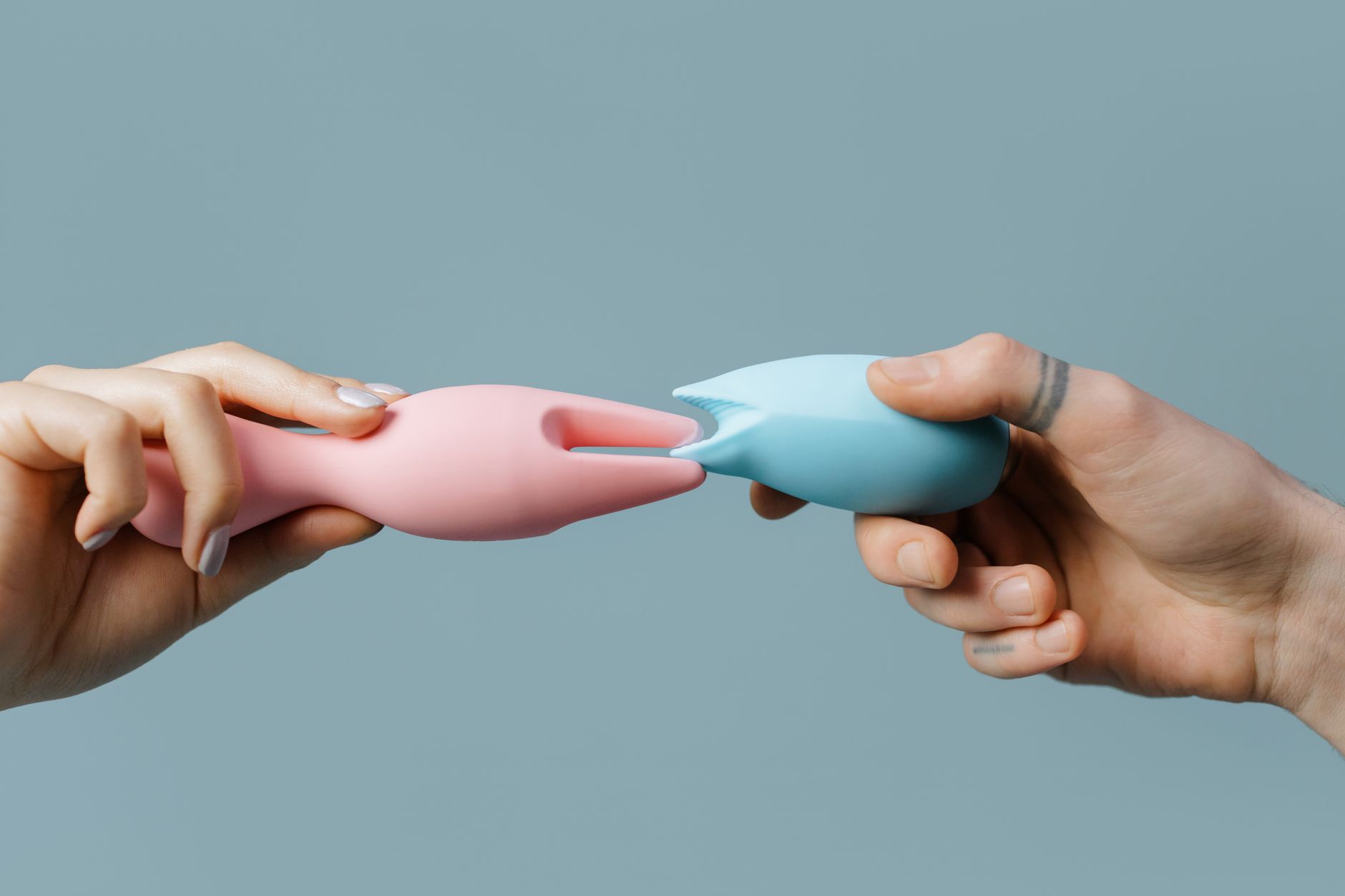
Photo by cottonbro studio on Pexels
Dose timing and the pleasure window
This is something worth discussing with your prescriber: some medications have peak and trough windows. SSRIs, for example, reach steady state over weeks, and side effects can vary by time of day depending on when you take your dose.
A few clients have successfully shifted their dose time (with their doctor's approval) so that arousal side effects were less pronounced during their preferred sex times. Not all medications allow this adjustment, but if the numbness is consistently worst at certain hours, it's a conversation worth having.
If rescheduling isn't an option, you might find that your body responds better on certain days of the cycle (if you menstruate) or at certain times after taking the pill. Track it. Your nervous system isn't random. It has patterns.
When medication is the right choice but the side effect matters
Don't stop taking medication to restore pleasure unless you're working with a doctor on a plan. Depression, anxiety, unmanaged high blood pressure. These conditions destroy sex drive far more thoroughly than the medications treating them.
What you can do is optimize around the medication. Work with a sex-positive therapist alongside your prescriber. Explore whether a different dose, timing, or medication in the same class might reduce sexual side effects while keeping you stable. Some SSRIs are gentler on libido than others.
Use tools like lemon vibrators not as a band-aid, but as a legitimate part of your sexual toolkit while your body adapts. Many people find that after 8 to 12 weeks on a new medication, sensitivity creeps back. Your nervous system adjusts. Lemon clitoral vibrators keep pleasure in reach during that adaptation period.
The emotional layer you can't skip
Medication-induced sexual numbness carries grief. Your body changed against your will. Orgasms feel different or disappear. That's a loss, even if the medication is saving your mental health.
Allow yourself to feel both things. Grateful for the medication. Frustrated about the side effect. Determined to find pleasure anyway. These thoughts coexist.
Some clients find that permission to explore differently. new sensations, new tools, new pacing. becomes a doorway to pleasure that feels fresher than before. Not because medication made them better. But because they finally stopped fighting their own nervous system and started working with it.
Quick start: reintroducing pleasure on medication
If you're ready to restart, here's the sequence I recommend.
First, spend a week with solo touch. No tools. No goal. Just checking in with what sensation exists. Where does your body still feel? What touches make you pause and pay attention?
Second, introduce water-based lube. Nothing fancy. Use it during solo play. Let your nervous system notice the difference.
Third, try a lemon vibrator on the lowest setting, alone. Set 15 minutes. Explore slowly. You're not chasing orgasm. You're mapping what your body can feel right now.
Fourth, if you have a partner, show them what you discovered. Let them hold the vibrator or watch. The vulnerability of explaining your own pleasure usually opens doors.
Orgasm might return fast. It might take weeks. Both are normal. You're not broken. Your nervous system is just operating under different rules. And lemon vibrators, patience, and honest conversation can rewrite the outcome.
People also ask
How long does it take for sexual side effects from antidepressants to go away?
For many people, side effects plateau around 2 to 4 weeks and may improve modestly over 2 to 3 months as the body adjusts. Some people find the side effects stable and never fully resolve. Others regain sensation completely. Everyone's timeline is different, and it depends on the medication, the dose, and individual physiology. If numbness persists beyond 12 weeks, talk to your prescriber about adjusting timing, dose, or switching to a medication with a lower libido profile.
Can switching birth control help with sexual side effects?
Yes. Different contraceptive formulations affect hormone levels differently. Some users find that switching from a combined pill to a progestin-only pill, or from hormonal to non-hormonal contraception, restores arousal and orgasm capacity. This isn't universal, so working with a gynecologist who listens to sexual side effects is key. Keep track of what changed when, so your provider can see the connection.
Is it bad to use a vibrator if medication has numbed my sensitivity?
Not at all. In fact, lemon vibrators and other clitoral vibrators are exactly the right tool when medication has dampened sensation. The air-pulse technology doesn't rely on you feeling intense vibration. It creates pressure sensations that many people with medication-related numbness find more effective than traditional vibration. You're not fighting your body. You're supporting what's still there.
Will masturbating more help sensation come back faster?
Regular stimulation helps maintain some neural pathways, but it won't override medication chemistry. What regular solo play does is keep you connected to your own body, help you discover what still works, and build confidence that pleasure is possible even while medicated. That confidence matters more than frequency.
Can I talk to my doctor about sexual side effects without shame?
Absolutely. A good prescriber expects this question. Say it directly: "This medication is helping my depression, but I've noticed my arousal and orgasm have changed. I'd like to explore options." Most doctors appreciate clarity. If your doctor dismisses it or acts uncomfortable, find one who takes sexual health seriously. It's part of your overall health.
Do lemon vibrators work better than other toys for medication-dampened sensation?
Air-pulse clitoral vibrators like lemon vibrators work differently from traditional vibrators in ways that often feel more effective when sensation is muted. The suction-based stimulation creates pressure rather than vibration, which many people find registers better when their nervous system is chemically quieter. That said, everyone's body is different. Some people still prefer traditional vibration. The best tool is the one that works for your nervous system. Experiment.
Moving forward
Medication side effects are real. They're also not permanent roadblocks to pleasure. Reframing them as a puzzle to solve rather than a sentence to accept changes everything. Your body is still capable. Your nervous system just speaks a different language right now. And with the right approach, lemon vibrators, and a partner who understands, that language becomes fluent again.
If you want to talk through your specific situation, reach out. That's what I'm here for.