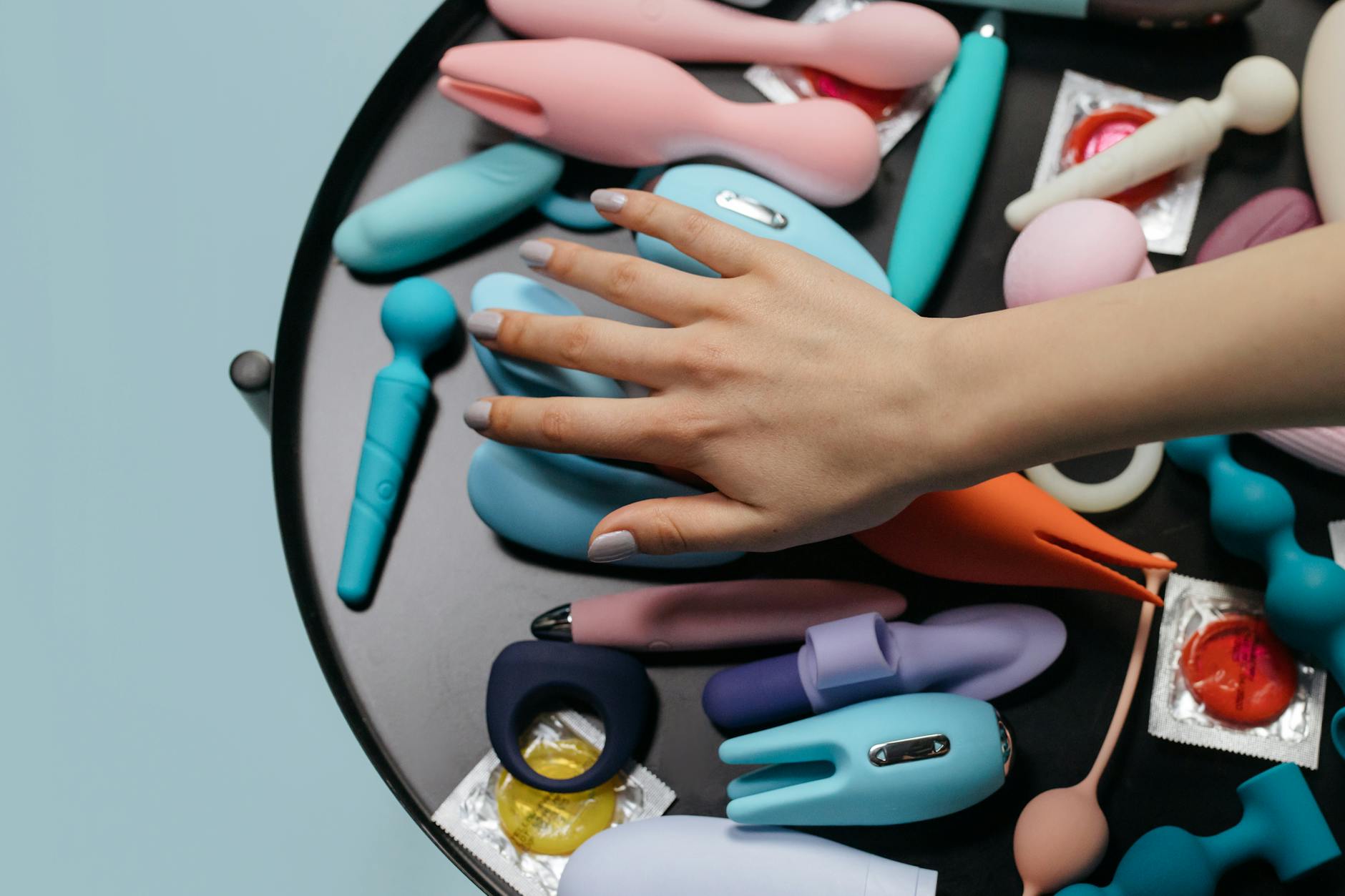
Here's what actually happens when curiosity meets hesitation
Your partner has noticed you're interested in lemon vibrators. Maybe they've seen the box, or caught you researching late at night, or you finally worked up the courage to mention it. And their response wasn't "absolutely not." It was something more complicated: "Maybe. I don't know. What would that even look like?"
That middle ground between rejection and enthusiasm is where most couples actually live. It's not cold feet exactly. It's uncertainty mixed with a little bit of fear that they'll somehow disappoint you, or that things will feel weird, or that they'll be bad at it.
I want to walk you through how to move from "I'm curious" to "this is actually good" without turning it into a performance review or a chore.
The problem with how couples usually approach this
Most of us jump straight to the device. "Want to try my new toy?" sounds casual, but for a hesitant partner, it can land like an audition. Suddenly they're worried about doing it "right," or whether they should be jealous, or if introducing a lemon vibrator into partnered sex means something's wrong with what you already do together.
The actual friction isn't about the toy. It's about what the toy represents: change, vulnerability, the possibility that you want something they can't provide with their body alone.
That's not a sex problem. That's a trust problem. And you can't solve a trust problem by just handing someone a device and hoping for the best.
Start the conversation three steps before the toy
Step one: separate desire from criticism. Your partner needs to hear, clearly and more than once, that this has nothing to do with them being insufficient. This is about exploring your own pleasure, not fixing something broken in what you already do. I tell couples this explicitly: "I want to try this because I'm curious about my body, not because something's missing from you."
The tone matters as much as the words. If you're defensive or apologetic, they'll pick up on it. You're not asking permission. You're inviting them into something you're already interested in exploring.
Step two: make it about both of you. Ask what they're actually hesitant about. Is it jealousy? Feeling like they'll be replaced? Worry that they should be doing more? Concern that it will feel awkward or clinical? Different people have different fears, and guessing wrong shuts down the conversation. Give them space to name it.
Step three: talk about sensation, not technique. This is the part that actually wins hesitant partners over. Instead of "I want to use this during sex," try "I'm curious what different kinds of stimulation feel like." Suddenly it's not about them learning to operate a toy. It's about you both exploring sensation together.
How to introduce the toy without making it feel like a test
Once you've had the trust conversation, you can actually bring the toy into the room. Here's how I recommend structuring the first time:
Start outside of sex. Not "let's have sex and then use it." I mean actually foreplay without an endgame. You're kissing, touching, maybe your partner is stimulating you, and at some point you say something like, "I want to show you what this feels like." Then you use the lemon vibrator on yourself while they watch. Not to perform. To explore.
This does three things: it normalizes the toy immediately. It lets your partner see that it's not replacing them. And it gives them a chance to ask questions or adjust without being put on the spot.
After a few times with you using it solo while they're present, you can invite them to hold it. Not to operate it, necessarily. Just to hold it and feel the vibration, to understand what the sensation is actually like. Most hesitant partners become way less hesitant once they realize a lemon clitoral vibrator isn't some intimidating technology. It's just a different sensation.
What to do if they're interested but still awkward
Some partners will warm up immediately. Others will stay a little wooden about it for a while. That's okay. The goal isn't for them to get excited about lemon vibrators specifically. The goal is for them to feel like they're part of your pleasure, not sidelined by it.
If they're holding back, narrate what feels good. "That angle feels incredible." "I like it when you switch patterns." Use your voice to pull them into the experience. Most of the awkwardness comes from them not knowing what to do with themselves while you're using the toy, so tell them. Guide them. Make them active.
Some couples find that using a lemon vibrator together feels less tense than partnered penetration. The stakes feel lower. There's less performance pressure on both sides. Your partner might actually relax more once they realize you're not expecting penetration or a specific sequence. You're just exploring sensation together.
When hesitation runs deeper
If your partner is saying yes but showing signs of deeper discomfort, that's worth paying attention to. Watch for dismissiveness ("that's kind of silly"), withdrawal, or sudden distance. Sometimes hesitation isn't about the toy at all. It's about control, or jealousy, or feeling like solo pleasure is a threat to partnership.
If that's what's actually happening, the toy isn't going to fix it. You need a real conversation, or possibly some couples counseling. A lemon vibrator can enhance intimacy, but it can't build trust that isn't there. If your partner is refusing to engage, refusing to hear why this matters to you, or making you feel ashamed for wanting to explore your own body, that's about respect, not about toys.
But if they're genuinely just nervous and awkward? Give them time and keep the conversation ongoing. Check in afterward. Ask what felt good, what felt weird, what they'd want to do differently next time. The toy isn't the point. The conversation is.
How to keep momentum going
Once your partner has warmed up, you don't need to make every session feel like an experiment. Sometimes you'll use a lemon vibrator as part of partnered sex. Sometimes solo. Sometimes your partner will hold it while you guide their hand. Sometimes they'll watch. The variety actually matters, because it keeps the toy from feeling like a necessary addition rather than just one option among many.
Let your partner initiate sometimes. Some of the best moments come when they're the one saying, "Want to use that?" That's when you know the hesitation has actually shifted into curiosity.
FAQ
Why do some partners feel threatened by vibrators?
Cultural messaging teaches us that partnered sex should be self-sufficient. Adding a toy can feel like proof that something's inadequate. It's not logical, but it's real. The antidote isn't logic. It's reassurance through action. When your partner sees that using a lemon vibrator makes you more present, more connected, more interested in them, the threat dissolves.
Should I have used lemon vibrators alone before introducing them to my partner?
It helps. You'll feel more confident and be able to explain what feels good. You'll also have concrete experience to share instead of vague ideas about what you think you might want. That confidence is attractive and reassuring.
What if my partner says they'll try it but clearly doesn't want to?
Don't. A reluctant yes isn't consent. What you need is honest conversation about what's actually making them hesitant. Sometimes it's something small that you can address. Sometimes it's bigger. But pushing through someone's reluctance turns the toy into a source of resentment, and that's the opposite of what you're going for.
Can lemon clitoral vibrators actually improve partnered sex?
Absolutely. For lots of people, external stimulation through toys like lemon vibrators makes it easier to have pleasure during partnered penetration. That's not a failure of your partner. It's just anatomy. When both people are getting what they need, sex feels better for everyone.
How do I bring up lemon vibrators if we've never talked about toys before?
Start small. You don't need to present a whole case. "I've been thinking about trying something new, and I wanted to talk to you about it before I did." Then tell them what you're thinking. Be honest about why. Answer their questions. Let them sit with it. Don't make it a huge thing. It's one small addition to what you already do together.
What if we try it and it's awkward or doesn't feel good?
Then you try something else, or you don't use it again, and that's fine. Not every tool works for every person. The point isn't to force yourself to like lemon vibrators. The point is to have explored them together without shame. You learn about your body and your partner's boundaries. That's valuable regardless of the outcome.