Let's talk about what's really scary here
It's not the toy. It's the conversation. Most partnered people I work with have used a lemon vibrator solo, or thought about it, or heard friends talk about it. But bringing that device into the bedroom with someone else feels like opening a door you can't close. What if they feel threatened? What if they think you're saying they're not enough? What if it kills the mood?
Here's what I've learned after years of couples therapy: those fears are real, but the actual conversation is almost never as bad as the anticipatory anxiety. And when it goes well, it tends to improve everything.
Why your partner might feel defensive (and it's not what you think)
Most resistance to toys in partnered sex isn't about the toy. It's about what people assume the toy means. A lot of partners, especially men, hear "I want to use a vibrator" and translate it to "You're not making me come fast enough" or "I'm not satisfied with just you." Those interpretations feel like rejection, even when they're not accurate.
There's also the simple fact that introducing novelty into something routine can feel destabilizing. Sex with a partner is often one of the few intimate spaces where people feel competent and confident. Adding a new element shakes that.
None of this is logical, but all of it is real. And it's fixable if you separate the emotional conversation from the practical one.
Separate "I want more pleasure" from "you're not enough"
The best way to start is in a completely non-sexual context. Not in bed, not right before sex, not after you've both had a glass of wine. Pick a regular conversation time. Sit down (couch is fine, bed is not). Here's roughly what I recommend saying:
"I've been thinking about exploring some things physically that might feel really good. I want to bring that into our sex life together, not because anything is wrong, but because I think it could be fun for us. I'm curious about trying [the Lem or a lemon vibrator], and I want to know what you think."
Notice what this does: it frames the toy as an addition, not a substitution. It names the specific thing instead of being vague. It invites their opinion without pressuring them. And it's honest.
Don't say "we should probably try toys eventually." That's vague and feels obligatory. Don't say "I've been unsatisfied." That opens the defense door immediately. Do say what you actually want, why you want it, and that you value their input.
Prepare for pushback (and have answers ready)
He might say: "I can make you come." Response: "You can. And I want to explore what else feels good. It's not about you being able to or not. It's about what I'm curious about."
He might say: "That feels like you don't want me to touch you." Response: "It's the opposite. I want to use it with you, not instead of you. It's something we'd do together."
He might say: "That's weird." Response: "I get that it feels new. A lot of things felt new the first time. I'd really like to try this, and I'd love for you to be open to it."
The key is staying calm and not getting defensive yourself. If you come in hot and reactive to their resistance, you confirm their fear that this is a fight. If you stay grounded and clear, you show them it's something you genuinely want to explore, not a power move.
What actually helps is knowing what the toy does (so you can explain it)
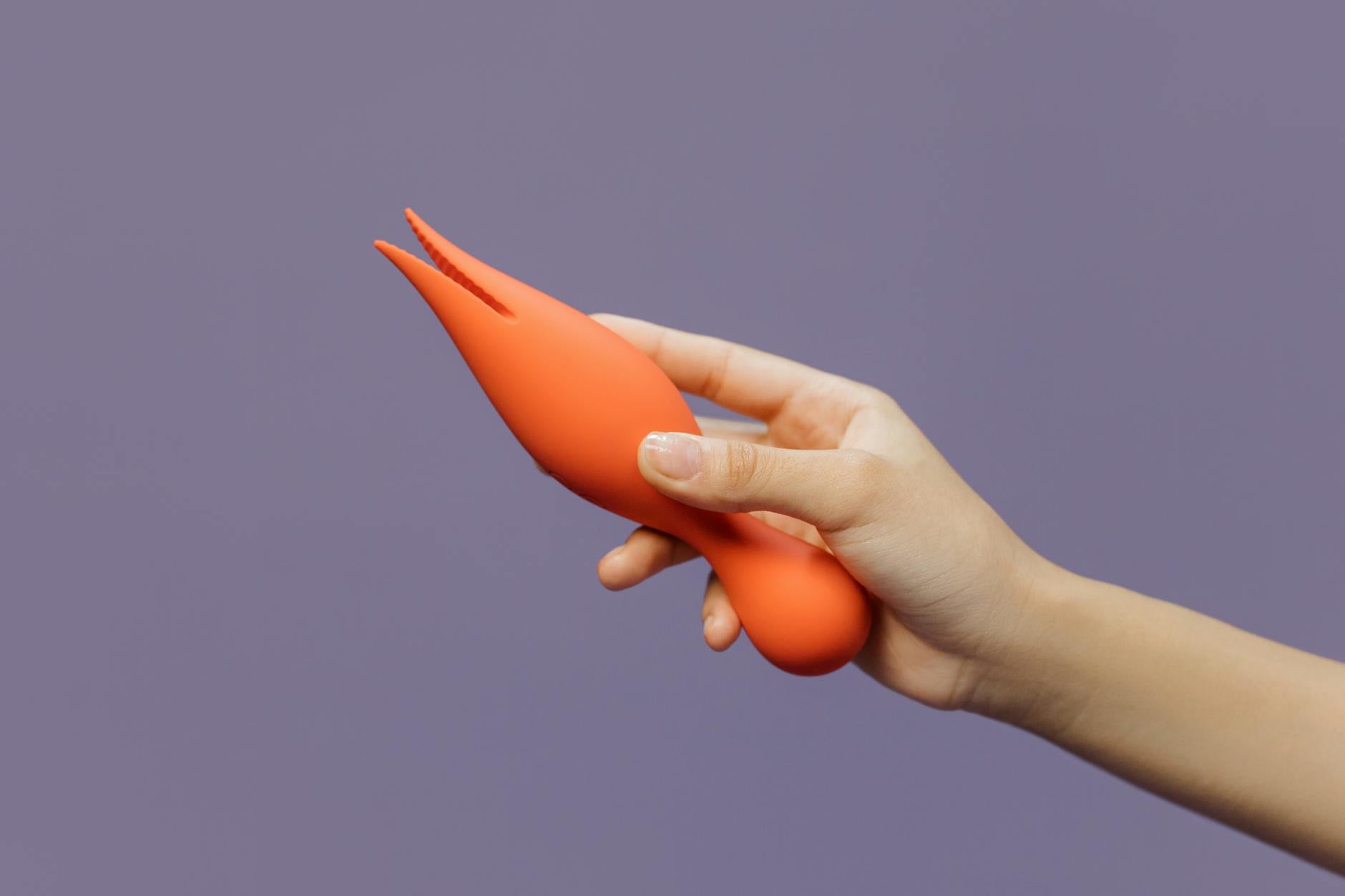
A lemon clitoral vibrator or lem vibrator uses suction and gentle vibration to stimulate the clitoris. It's not penetrative. It doesn't replace penetration or partnered touch. It's external stimulation that often feels incredible, especially when a partner is also involved. Some people come with it much faster than with hands or a penis alone. Some people come for the first time with it. Some people just like how it feels.
If your partner understands the mechanics, it becomes less mysterious. It's not a threat. It's a tool that does a specific thing.
You might say: "The Lem from My Lemon Toys uses suction on the clitoris. It's not like a regular vibrator. The sensation is totally different. I want to experience what that feels like, and I'd love for you to be there."
Then, if they're still hesitant, ask what specifically worries them. Is it jealousy? Weirdness about toys? Concern that it means the end of something? Address the actual concern, not the toy itself.
The first time is just about trying it (not about performance)
Once they've agreed to give it a go, let that sink in. Don't immediately schedule sexy time. Let it be a normal evening where you happen to bring the toy into intimacy. No pressure for anything specific to happen.
When you're together and things feel warm, you might say: "Want to try the thing we talked about?" Keep it that casual. Not "Are you ready to watch me experience unprecedented pleasure?" Just "Want to try it?"
Start with your partner still engaged. Maybe they're touching you while you use it. Maybe they're inside you while you use it externally (a lot of people love this combination). Maybe they're just present. The goal isn't peak sensation. The goal is familiarity and taking away the weird feeling of the unknown.
If it feels good, say so. If it feels awkward, laugh about it. If you don't come, that's fine. You've introduced the thing. You've normalized it. You've shown them it's not a big deal.
After the first time, check in (not interrogate)
Don't immediately ask how he felt. That puts him on the spot. But later, in normal conversation, you might say something like: "That felt good. What did you think?" And listen to the answer without defending. If he says "It was weird seeing you with a toy," that's not a rejection. That's data. It means he needs more time to get used to it. It means the next time might feel less weird.
If he says "I actually liked it," great. You've cleared a hurdle. If he says "I'm not sure," even better. That's honest, and honesty is where trust lives.
The longer game: integration, not performance
The real win isn't the first time you use a lemon vibrator together. It's the moment when your partner reaches over and grabs it without being asked. It's when they suggest using it. It's when they stop thinking about it as your toy and start thinking about it as something that's just part of your intimate life together.
That shift usually takes a few times. By the third or fourth use, most partners who were nervous at the start report that the defensiveness has faded. The toy stopped being about what it symbolized and became just a thing you both enjoy.
Some partners end up in the camp where they use the toy on you while you're also intimate with them. Some just enjoy watching. Some have zero interest in using it themselves and that's fine. The goal isn't that you both get equally into it. The goal is that you both feel respected and wanted.
If the answer is no, that's a conversation too
Sometimes someone will say no, and they'll mean it. Not "I'm scared, convince me." Genuinely not interested. In that case, you have a real decision to make. Can you use your toy solo and feel satisfied? Can you accept that this particular fantasy or curiosity isn't going to be partnered? Or is this something you actually need to have happen?
Those are worth exploring on your own first, before you're in a situation where you're resenting your partner for a boundary they set. Couples therapy is genuinely useful here if the answer to the last question is "I don't know."
A note on pressure (you don't have it, even though it feels like you do)
You might worry that wanting to use toys means you're abnormal or that your partner will judge you. Here's the reality: most couples either have explored toys or are actively wondering about it. Using a lemon vibrator with a partner isn't kinky anymore. It's just something people do.
Your partner might surprise you. People often feel relief when their partner brings something up first. It's permission to say "I've been thinking about that too."
Start the conversation. Separate emotion from mechanics. Invite them to understand it, not just tolerate it. And be willing to take it slow. The best version of partnered toy use isn't the one where everything clicks on the first night. It's the one where both people feel heard and stay curious.
People also ask
How do I know if my partner is secretly bothered by lemon vibrators?
After you've used a toy together and things felt okay on the surface, watch for indirect signals. Is he less engaged in sex afterward? Does he avoid the topic if you bring it up casually? Is he passive when you're using it rather than engaged? These can be signs he's still processing discomfort. The fix isn't to stop using the toy. It's to circle back to the conversation. "I noticed [specific thing]. I want to make sure you're actually okay with this." Most of the time, he'll tell you what's actually bothering him once you make it safe to do so.
What if we try it and my partner wants to use a toy on themselves too?
That's ideal, honestly. Some partners get so curious about the sensation that they want their own toy or they want to experience what a lem vibrator feels like. That usually means the defensive barrier has fully dropped. You've gone from "this is your thing you want" to "this is something we both enjoy." The only complication is if they want to use it instead of being intimate with you, which is a different conversation about what intimacy means to both of you.
How do I bring this up if we've been together for years and never discussed toys?
The longer you've been together without talking about it, the more loaded it can feel. But that's actually a sign you need to talk about it even more clearly. Start by acknowledging the timing. "I know we haven't really discussed this before, and I want to be honest about something I've been thinking about." That honesty opens the door in a way that shame closes it. Then follow the same script. Clear, specific, not defensive.
Should I buy the toy first or ask permission first?
Always ask first. Buying it without discussing it feels like you went around them, which resets their defenses and makes them feel excluded. If you ask first and they seem open but hesitant, you might say "Want to look at some options together?" That makes it collaborative. If you're already certain about wanting the Lem from My Lemon Toys, you can mention it by name. But the decision to bring it into your sex life should be something you make together.
What if I'm the one feeling weird about toys, but my partner wants to use them?
Flip the script. Use the same framework. Ask what appeals to them about it. Understand the mechanics. Separate the fantasy from the logistics. And give yourself time to get used to the idea. Your hesitation might be about the toy, or it might be about feeling insufficient. That's worth being honest about, because your partner probably has the same fear in reverse.